
Beyond classrooms
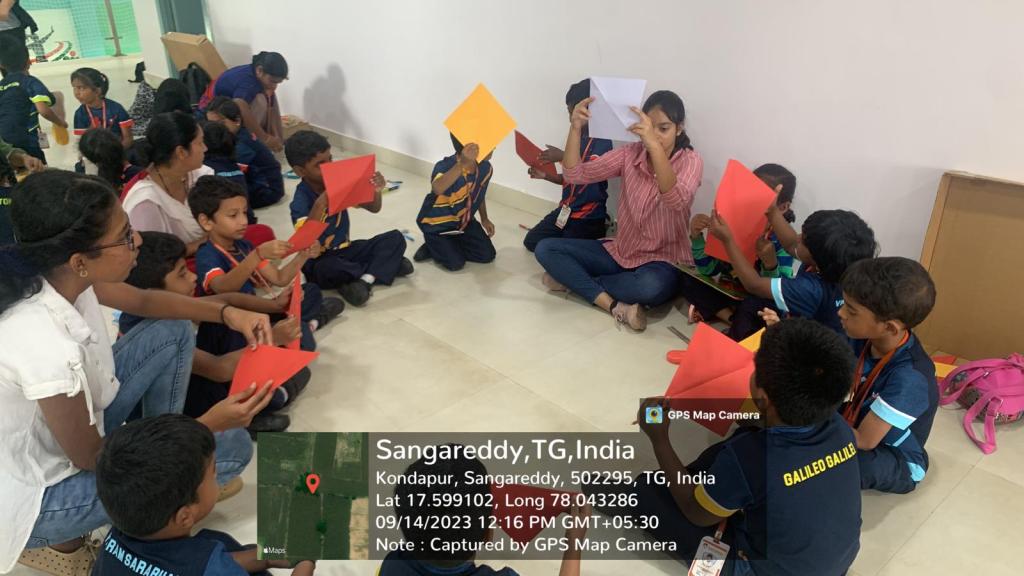
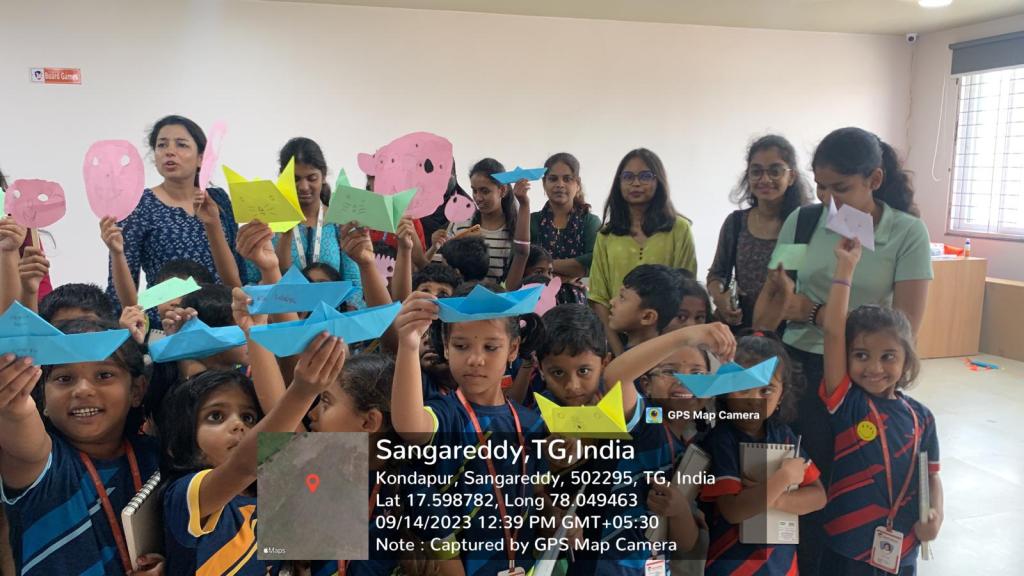
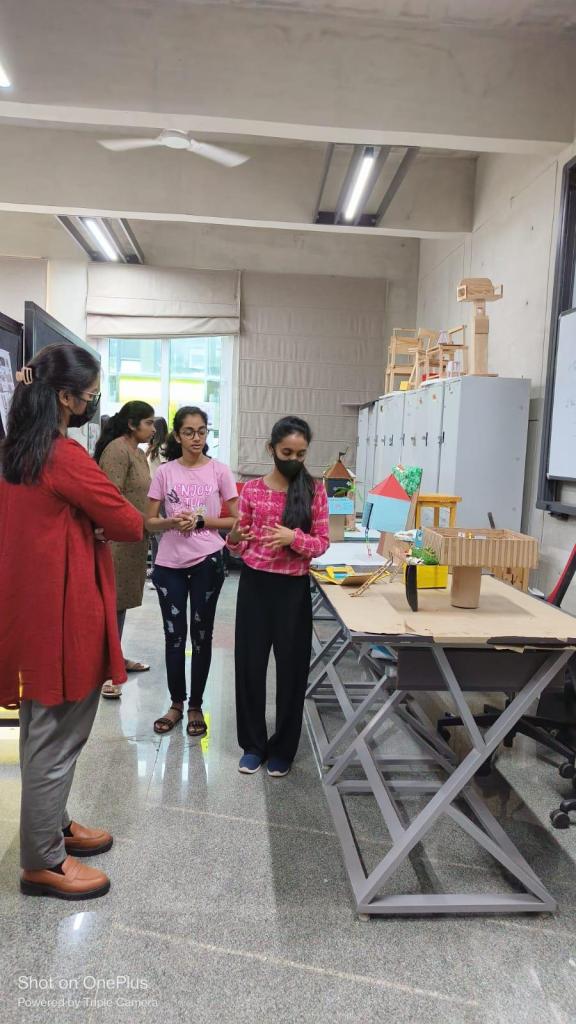
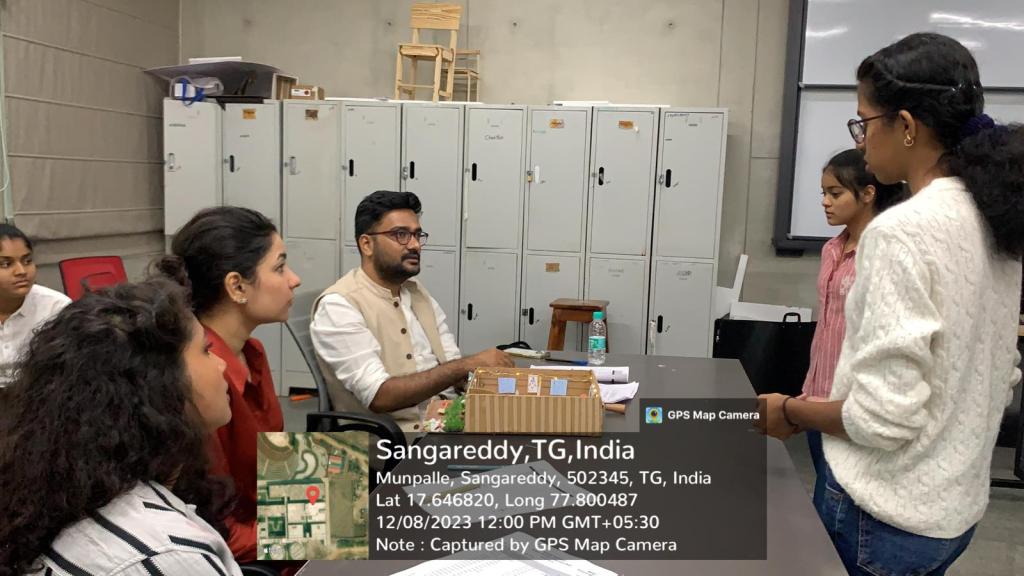
For this exercise, interior students students engaged with a rather infantalised stakeholder group, children, understood their wants and desires, and designed their play house with them. The aim here was to enable students to acknowledge the capacity for knowledge production across all stakeholders and hence, altering and criticalise any top-down approaches that they have developed towards design practice.
Course: Critical Thinking and Problem Solving
Programme: Bachelor of Design (Interior Design)
Captured with permission from those in pictures.
Courses Taught
Click to expand on courses taught
Indian Institute of Technology, Delhi (2024-current)
-Writing group with research scholars (2024-2025)
Lectures in:
Sociology and Technology Students
-Disability Studies
-Medical Humanities
-Technology and Governance
-Technology and Culture
-Science, Technology and Society
-Development and Society
Woxsen University, Hyderabad (2023-2024)
Fall 2023 Creative Thinking and Problem Solving
B.Des, Interior Design, 2nd year
Research Methods
B.Des, Foundation/first year
Media, Culture and Society
B.Des, Communication Design
Communication Skills
B.Des, Foundation
Social Immersion
B.Des, Foundation
Spring 2024 Environmental Studies
B.Des, Foundation
Research Methods II
B.Des, Interior Design, 4th year
Rensselaer Polytechnic Institute (2018-2022)
Section instructor
STEM, Arts and Humanities (STS students)
Spring 2022 | Information Technology & Society
Spring 2021 | Introduction to Science and Technology Studies
Fall 2020 | Introduction to Science and Technology Studies
Spring 2019 | Introduction to Science and Technology Studies
Assisted instruction
Fall 2002 | Environment and Society
Summer 2022 | Design, Innovation & Society Studio
Summer 2021 | Design, Innovation & Society Studio
Summer 2020 | Design & Innovation Studio A
Gender & Race in Culture
Gender & Sustainability
Spring 2020 | Environment and Society
Fall 2019 | Sociology
Summer 2019 | Environmental Economics
Fall 2018 21st Century Risks
Utopia and Dystopia
Jindal Global Law School
Teaching Assistant
Law, liberal arts, public policy and management students across years
Spring 2017 | Catharsis and Creation: Law, Performance and Society
Spring 2017 | Semiotics
Fall 2017 | Philosophical Triptych
Catharsis and Creation: Law, Performance and Society
Fall 2016 | Catechism and Controversy: Nature of Debate in Modern Science
Fall 2016 | Catharsis and Creation: Law, Performance and Society
Jindal School of Government and Public Policy
Teaching Assistant
Law, liberal arts and public policy students across years
Spring 2016 and Fall 2015 | Introduction to Science, Technology and Society
Crip feminist pedagogy
I also practice crip feminist pedagogy that values students labour with structures developed to crip a rather rest-deprived neo-liberal academic spaces. I scaffold both rest and productivity in the course outline, making their experience of the course generative. What this looks like is a combination of in-class (using lab and tutorial hours) and outside class assignments so the class hour is not only restricted for the pedagogue’s monologue. This also looks like taking pauses, bio-breaks or how do you feel sketches for classes that are more than 1.5 hours long. More innovatively, it looks like combining multi-media forms that slow down the course to provide time to reflect on course offerings.
Emplacing and embodying knowledge
An axis that guides my approach to knowledge production in classrooms is emplacement. Emplacement, based on the work of sensory anthropologist Sarah Pink, involves attunement to place and body in the process of knowledge production. In one such engagement with emplaced knowledge production, students worked on environmental injustice report detailing environmental harms faced by communities, in their body-minds, during their weekend away from their usual residency at the university.
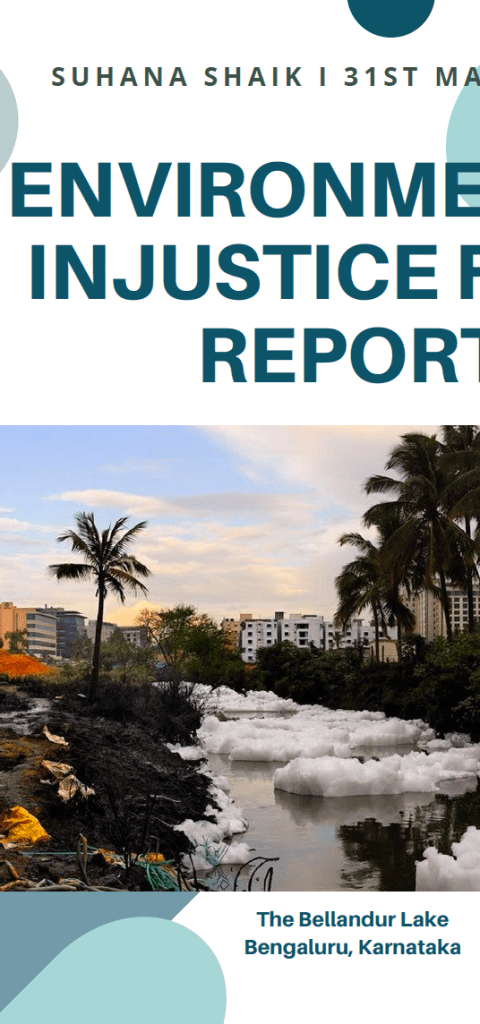
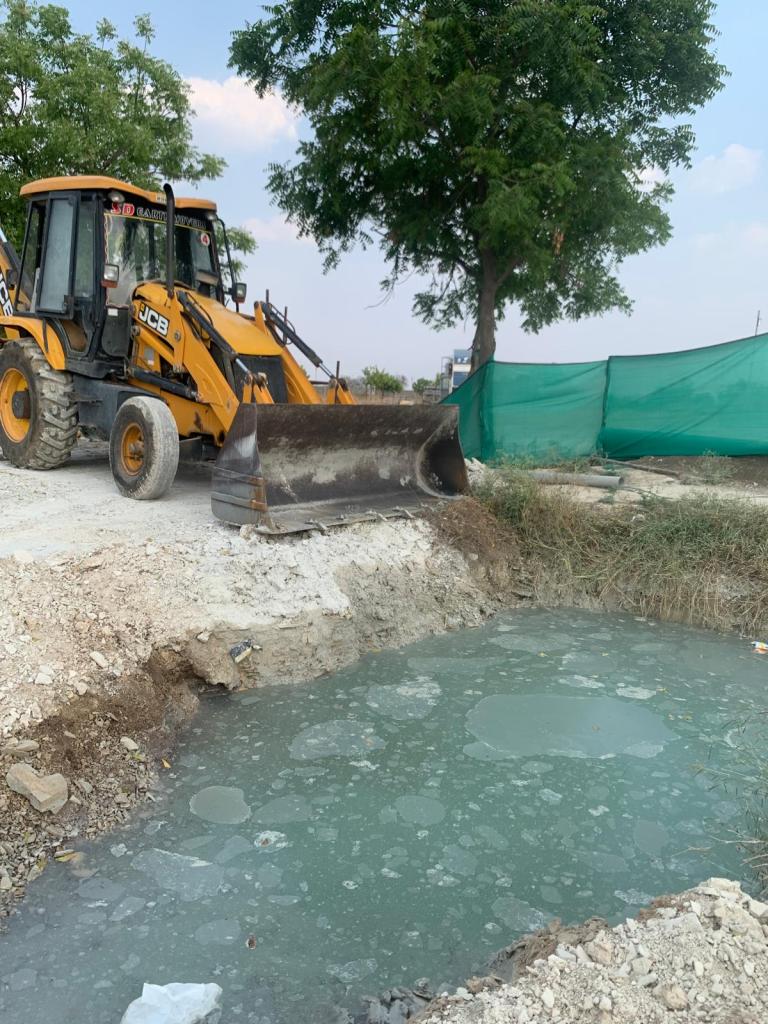
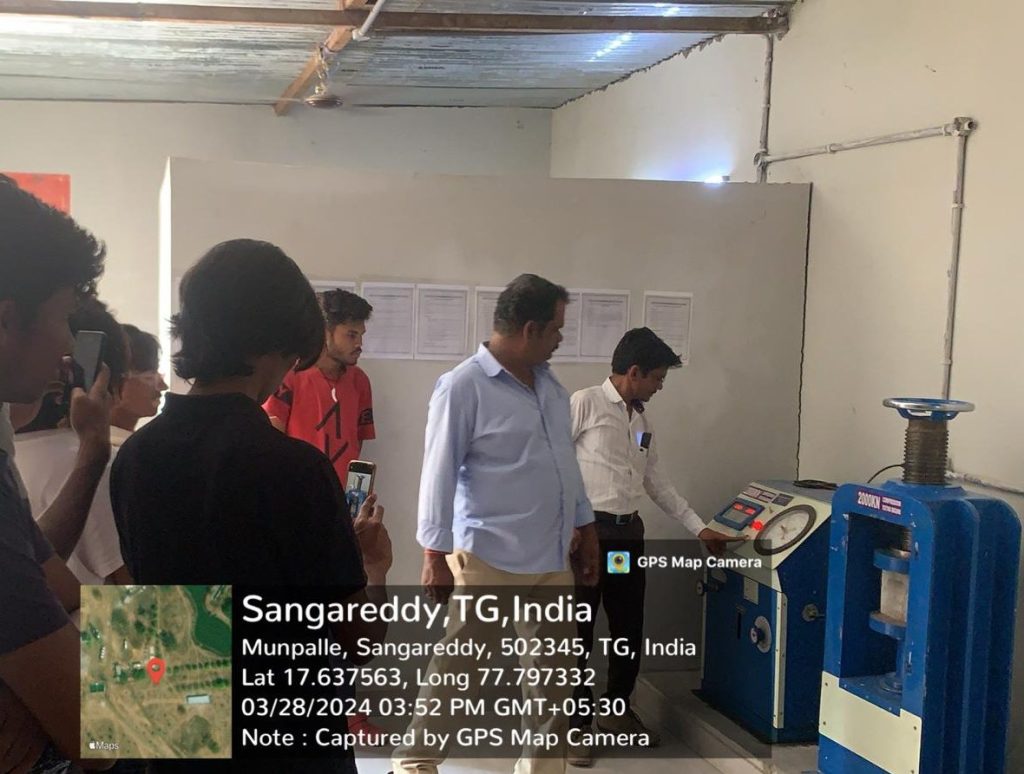
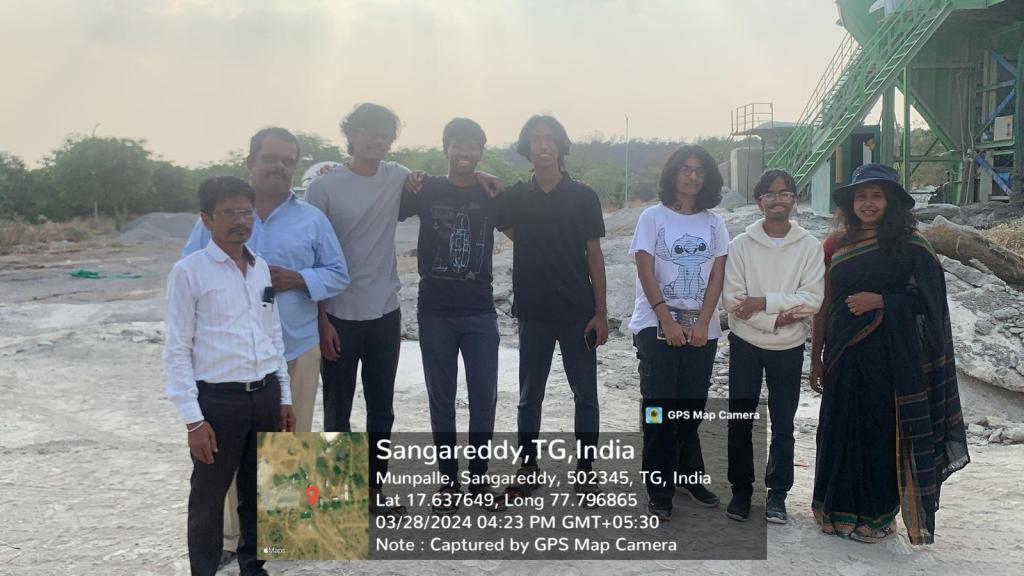
Environmental inJustice Report
Course: Environmental Studies
Programme: Bachelor of Design (Foundation)
Reproduced with permission from creator Suhana Shaik.
In another assignment for environmental studies class, students unpacked the lifecycle of a material (e.g. clay, bamboo, dye, …) they had used for their design assignments. The exercise enables students to witness the materiality of design process and its ecological aspects.
Reproduced with permission from one of the creators Suhana Shaik.
 Misria